Johns Creek GA real estate moves fast for people who know where to look and what to ask. Whether you are buying your first home, upgrading, downsizing, or selling for top dollar, small local details that most people skip can change results dramatically. This checklist is designed to be useful now and remain relevant for years, helping buyers and sellers make smart decisions in Johns Creek neighborhoods.
1. Street by street price reality — National headlines do not replace local comparables. Look at recent sales on the same street, with similar lot size and floor plan, not just the neighborhood average. Sellers who price by accurate street-level comps sell faster and with fewer renegotiations. Buyers who reference street-level comps avoid overpaying.
2. School boundaries and upcoming rezoning — Even if you do not have school-aged kids, school assignments affect resale. Confirm current boundaries and check for school board plans or construction projects that could change enrollment and perceived value.
3. HOA details beyond the rules — Ask the HOA for the last meeting minutes, reserve study, and any pending assessments. Buyers should confirm rental rules and architectural review timelines. Sellers should highlight recent HOA improvements that reduce buyer risk.
4. Lot orientation and microclimate — Lot slope, tree coverage, and sun exposure affect maintenance, landscaping costs, and utility bills. Buyers should walk the lot at different times of day. Sellers can boost appeal by trimming sight lines and managing landscaping to show usable outdoor space.
5. Floodplain, drainage and grading — Johns Creek has pockets where proper drainage or past storm events matter. A quick check of FEMA maps and a seller-provided drainage history can prevent surprises and appraisal issues.
6. Foundation and roof history — Buyers should ask for receipts on past foundation repairs, roof replacements, and any warranties. Sellers who proactively obtain inspections and disclose work often get stronger offers and avoid post-inspection renegotiations.
7. Energy and systems inventory — Create a short list of major system ages — HVAC, water heater, electrical panel — and any recent upgrades like new windows or insulation. Energy efficiency is a selling point and helps buyers estimate long-term costs.
8. Flow and layout that sell — Open layouts, primary suites on the main floor, and clear sightlines sell better. If your home has awkward spaces, consider low-cost staging or minor reconfigurations that clarify use and increase perceived square footage.
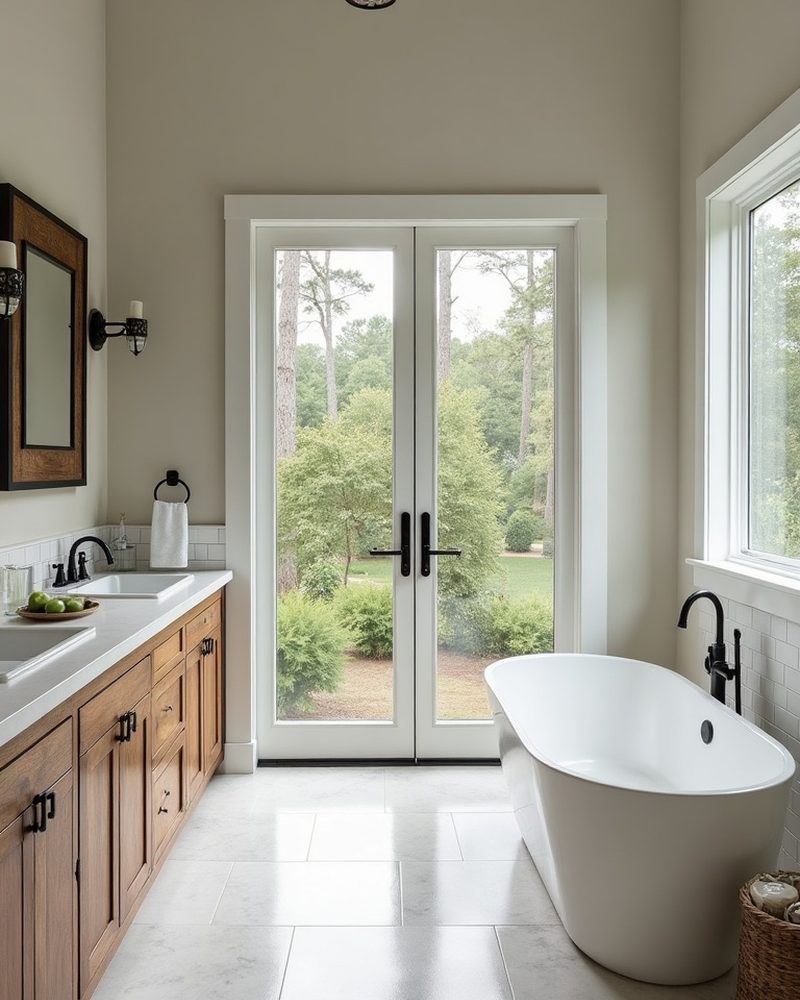
9. Kitchen and bath ROI rules — Not every renovation pays off. Focus on mid-range kitchen updates, refreshed cabinet hardware, new countertops if needed, and modern, neutral tile in baths. Sellers get more from smart cosmetic fixes than expensive full-scale remodels in many Johns Creek price ranges.
10. Curb appeal and first impressions — Pressure wash, replace tired exterior lighting, paint the front door, and tidy landscaping. The first 10 seconds a buyer sees a home set expectations for the full showing.
11. Marketing assets beyond MLS photos — High-quality photos, 3D tours, and a concise neighborhood summary increase showings. Sellers should invest in professional visuals and a one-page neighborhood factsheet that includes commute times, schools, and recent comps.
12. Inspection and disclosure strategy — Consider a pre-listing inspection to identify small fixes and build buyer confidence. Buyers should order targeted inspections based on age and condition. Full, transparent disclosures reduce the odds of deals collapsing late.
13. Timing and seasonal patterns — While some seasons bring more buyers, well-priced homes sell year round. Sellers should avoid overpricing to wait for a better month; buyers should stay market-ready with financing and a local agent so they can move quickly when the right property appears.
14. Financing readiness
